

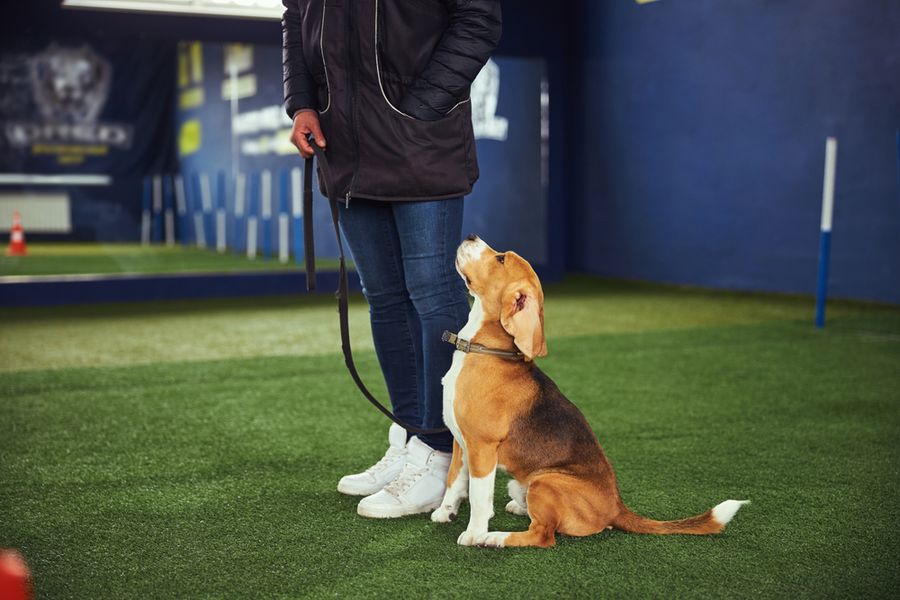
Pet training is an essential part of building a healthy, cooperative relationship between pets and their owners. Training helps pets understand expectations, navigate their environment safely, and communicate more effectively with the people around them. While training may look different depending on species, age, and temperament, the core principles remain consistent. With patience, consistency, and positive interaction, training becomes a supportive process that strengthens trust and promotes long-term well-being.
Why Training Matters for Pets
Training provides structure and clarity that help pets feel secure in their environment. Clear guidance allows pets to understand what behaviors are expected, reducing confusion and stress. When pets know how to respond to cues and routines, daily life becomes more predictable and manageable for everyone involved.
Training also supports safety. Basic skills such as responding to commands, walking calmly, or remaining in designated areas help prevent accidents and risky situations. Over time, training encourages cooperation and strengthens communication, creating a more balanced and harmonious household.
The Role of Consistency and Patience
Consistency is one of the most important elements of effective training. Pets learn through repetition, and predictable responses help reinforce understanding. When expectations remain consistent, pets are better able to recognize patterns and respond appropriately.
Patience is equally important. Learning takes time, and progress may happen gradually. Remaining calm and supportive during training helps pets stay engaged and confident. A patient approach encourages trust and reduces anxiety, making training a positive experience rather than a source of pressure.
Using Positive Reinforcement Effectively
Positive reinforcement focuses on rewarding desired behaviors rather than punishing mistakes. Rewards may include treats, praise, or play, depending on what motivates the pet. This approach helps pets associate learning with positive outcomes, increasing willingness to participate.
Timing plays a key role in reinforcement. Offering rewards immediately after a desired behavior helps pets make clear connections. Over time, positive reinforcement supports faster learning and stronger retention. This method promotes cooperation while preserving emotional well-being.
Setting Realistic Training Expectations
Effective training begins with realistic goals that align with a pet’s abilities and developmental stage. Young pets may have shorter attention spans, while older pets may require slower pacing. Understanding these differences helps prevent frustration for both pets and owners.
Breaking training into small, manageable steps supports success. Celebrating progress rather than focusing solely on outcomes encourages continued engagement. Realistic expectations allow training to remain constructive and adaptable as pets grow and change.
Training as a Tool for Strengthening the Bond
Training is not only about behavior but also about relationship-building. Shared learning experiences encourage communication and mutual understanding. When training sessions are positive and consistent, they create opportunities for connection and trust.
Pets that feel supported during training are more likely to engage willingly. Gentle guidance and encouragement reinforce the bond between pets and owners. Over time, training strengthens cooperation and deepens the emotional connection within the household.
Adapting Training to Individual Needs
Every pet learns differently, and training should reflect individual personality, motivation, and comfort level. Some pets respond quickly to verbal cues, while others learn best through physical guidance or visual signals. Observing preferences helps tailor training approaches effectively.
Adjusting techniques supports long-term success. Training methods may need to evolve as pets mature or experience changes in health or environment. Flexibility ensures training remains supportive rather than overwhelming, promoting confidence and consistent participation.
Incorporating Training Into Daily Routines
Training does not need to be limited to formal sessions set aside during the day. Incorporating learning into everyday activities allows pets to practice skills in real-life situations. Daily routines such as feeding, walking, playtime, or entering and exiting the home provide natural opportunities to reinforce commands and positive behavior. This approach helps training feel familiar rather than structured or stressful.
Short, frequent interactions often lead to better results than longer training sessions. Integrating training into daily life helps behaviors become automatic and easier to maintain. When learning is woven into routine care, pets continue developing skills in a low-pressure, supportive environment. Over time, this consistency strengthens understanding and cooperation.
Building Long-Term Success Through Training
Training is an ongoing process that evolves alongside a pet’s development, environment, and changing needs. Regular reinforcement helps maintain learned behaviors and supports long-term behavioral stability. As pets mature, training can expand to include new skills or adapt to shifting routines and responsibilities.
Approaching training with patience, consistency, and empathy creates an environment where pets feel confident and understood. Thoughtful training supports safety, communication, and emotional well-being. When practiced consistently, training becomes more than instruction—it becomes a foundation for lifelong cooperation, trust, and positive relationships.