

A home that feels safe for people may still contain hidden risks for pets. Curious behavior, smaller size, and different sensory awareness can expose pets to dangers that often go unnoticed. Everyday household items, common spaces, and routine activities may pose unexpected hazards. With greater awareness and thoughtful preparation, many risks can be reduced or avoided. Creating a pet-safe home supports physical health, lowers stress, and allows pets to move confidently through their environment.
Understanding Why Pets Are Vulnerable at Home
Pets explore the world differently than humans. Many rely on scent, taste, and instinct rather than caution, which can lead them toward unsafe objects or substances. Chewing, scratching, and climbing are natural behaviors that sometimes put pets at risk in enclosed spaces.
Young pets and newly adopted animals are especially vulnerable as they learn their surroundings. Changes in routine, boredom, or anxiety may also increase risky behavior. Understanding how pets interact with their environment helps owners anticipate hazards and take proactive steps to reduce them.
Toxic Foods and Household Substances
Many common foods and household substances are unsafe for pets. Items such as certain sweeteners, chocolate, alcohol, and caffeinated products can pose serious risks if ingested. Cleaning products, pesticides, and antifreeze also contain chemicals that may be harmful through contact or ingestion.
Safe storage is essential. Keeping food sealed, chemicals locked away, and trash secured reduces exposure. Reading labels and choosing pet-safe alternatives when possible further minimizes risk. Awareness of toxic substances is one of the most effective ways to protect pets at home.
Electrical Cords, Small Objects, and Choking Hazards
Loose electrical cords can attract pets that enjoy chewing or playing. Biting cords may lead to burns, shocks, or injury. Securing cords with covers or routing them out of reach helps reduce this risk.
Small household items such as buttons, coins, and toys may also pose choking hazards. Pets may swallow objects during play or exploration. Keeping small items organized and choosing pet-appropriate toys supports a safer living environment and reduces emergency situations.
Plants and Decorative Items That May Be Unsafe
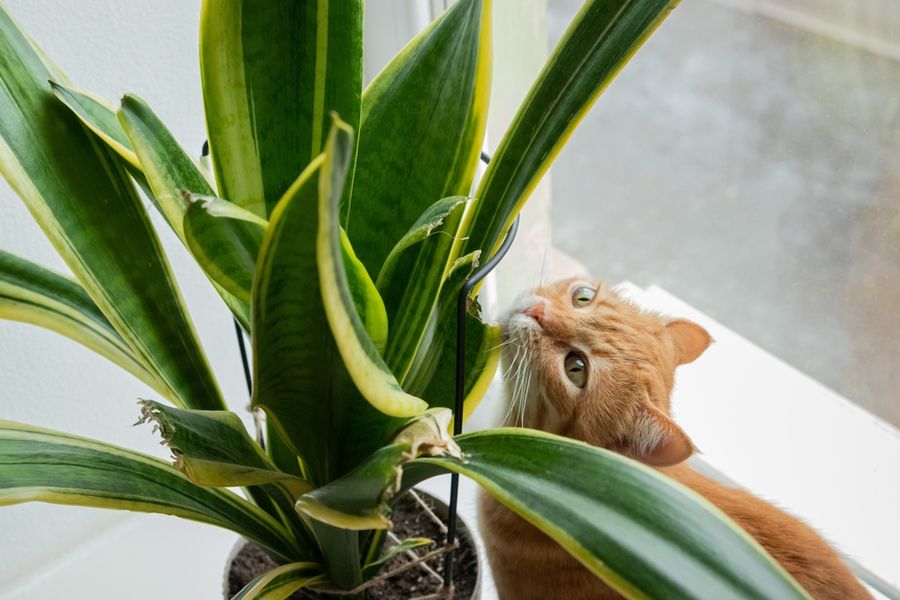
Many decorative plants and floral arrangements can be harmful to pets if chewed or ingested. Some plants cause digestive upset, while others may lead to more serious reactions. Pets may also knock over planters, creating broken containers or spilled soil.
Researching plant safety before bringing greenery into the home is important. Placing plants out of reach or choosing pet-safe options helps prevent exposure. Decorative items should also be stable and secure to avoid tipping or breakage that could cause injury.
Household Spaces That Require Extra Attention
Certain areas of the home require additional safety measures because they contain items that may be harmful to pets. Kitchens and bathrooms often house cleaning products, medications, and sharp objects that are easily accessible if cabinets or drawers are left unsecured. Laundry rooms may hold detergents, fabric softeners, or appliances that pose risks if pets enter unsupervised.
Garages and storage areas can also present hazards, including tools, automotive supplies, and small parts that pets may chew or ingest. Installing childproof latches, closing doors, or using gates helps limit access to these spaces. Being mindful of high-risk areas allows pets to explore their home safely while reducing the likelihood of preventable accidents.
Creating a Pet-Safe Living Environment
Pet safety involves preparation, awareness, and consistency. Regularly scanning living spaces for potential hazards helps identify risks before they become problems. Items such as loose cords, unstable furniture, or accessible trash should be addressed as part of routine home maintenance. Adjustments may be needed as pets grow, age, or develop new behaviors.
Providing enrichment and supervision also plays a key role in safety. When pets have appropriate toys, comfortable resting areas, and mental stimulation, they are less likely to seek out dangerous objects out of boredom or curiosity. A thoughtfully prepared living environment supports peace of mind and allows pets to move confidently within their surroundings.
Supporting Safety as a Daily Practice
Pet safety is not a one-time task but an ongoing responsibility that evolves alongside changes in the home. New furniture, household products, or seasonal decorations can introduce unexpected hazards. Staying attentive to these changes helps prevent accidents before they occur and keeps safety top of mind.
By creating awareness and establishing safety-focused routines, owners support long-term well-being. Simple habits such as storing items securely and monitoring pet behavior contribute to a safer environment. A thoughtful approach to home safety protects pets while strengthening trust, allowing them to enjoy daily life with confidence and comfort.