

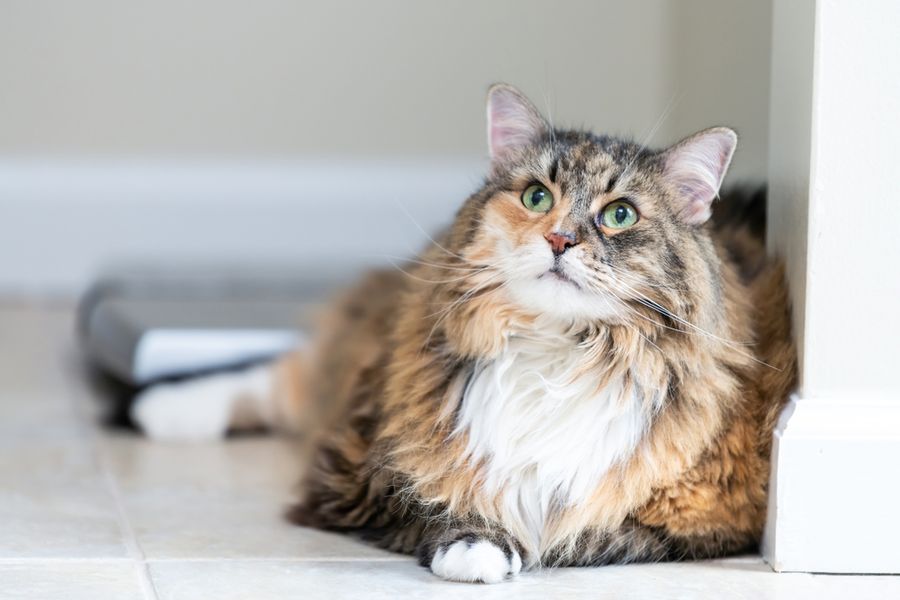
As pets age, their needs gradually change, requiring thoughtful adjustments to care routines. Aging is a natural part of life, and with proper support, senior pets can continue to enjoy comfort, engagement, and strong quality of life. Understanding how aging affects physical health, behavior, and emotional well-being allows owners to provide care that meets pets where they are. With patience, awareness, and consistency, senior pets can remain happy, supported companions.
Understanding the Aging Process in Pets
Aging affects pets differently depending on species, breed, and individual health history. Physical changes may include reduced mobility, decreased energy levels, or changes in sensory awareness such as hearing or vision. These changes often develop gradually, making early awareness important.
Behavioral changes may also appear as pets age. Senior pets may sleep more, become less playful, or show changes in routine preferences. Recognizing these shifts as part of aging rather than misbehavior helps owners respond with compassion and appropriate support.
Supporting Physical Comfort and Mobility
Maintaining physical comfort is a key priority for senior pets. Joint stiffness, reduced muscle strength, and slower movement are common with age. Providing soft bedding, easy access to favorite spaces, and gentle exercise helps support mobility without causing strain.
Low-impact activities such as short walks or light play help maintain circulation and flexibility. Adjusting exercise routines to match physical ability supports comfort and prevents injury. Thoughtful modifications allow senior pets to remain active while respecting their limits.
Adjusting Nutrition for Senior Health
Nutritional needs often change as pets age. Senior pets may require diets that support joint health, digestion, and weight management. Adjusting portion sizes and food composition helps maintain energy while reducing strain on aging systems.
Monitoring eating habits becomes increasingly important. Changes in appetite or weight may signal health concerns that require attention. Providing age-appropriate nutrition supports overall wellness and helps senior pets maintain strength and comfort over time.
Maintaining Mental Engagement and Emotional Well-Being
Mental stimulation remains important throughout a pet’s life. While energy levels may decrease, senior pets still benefit from gentle enrichment activities. Interactive toys, routine changes, and familiar games help keep the mind engaged.
Emotional well-being is closely tied to routine and familiarity. Senior pets often feel more secure with predictable schedules and familiar surroundings. Maintaining routines helps reduce anxiety and supports emotional comfort during the aging process.
Prioritizing Preventive and Ongoing Veterinary Care
Regular veterinary care becomes increasingly important as pets age, as senior animals are more susceptible to chronic conditions and subtle health changes. Routine checkups allow veterinarians to monitor mobility, weight, dental health, and organ function over time. Early detection of age-related concerns helps guide adjustments in diet, activity, and treatment before issues progress. Preventive care supports comfort and quality of life rather than responding only when illness becomes advanced.
Open communication with veterinarians is essential during this stage of life. Discussing changes in behavior, appetite, or movement helps create a clearer picture of overall health. Regular monitoring allows owners to make informed decisions that prioritize comfort and well-being. Consistent veterinary support plays a vital role in maintaining stability and addressing age-related needs with care.
Adapting the Home Environment for Senior Pets
Home environments often need thoughtful adjustments to support aging pets safely and comfortably. Changes such as adding ramps, non-slip flooring, or elevated food and water bowls help reduce physical strain on joints and muscles. Making frequently used areas easier to access supports independence and minimizes frustration.
Creating quiet, comfortable spaces is equally important. Senior pets often benefit from reduced noise, softer lighting, and predictable surroundings that encourage rest. Providing supportive bedding and minimizing obstacles allows pets to move through their environment with greater confidence. A well-adapted home environment helps senior pets maintain comfort and dignity as they age.
Supporting the Bond Through Gentle Care
The bond between pets and owners often deepens as pets enter their senior years. Gentle interaction, patience, and attentiveness help reinforce trust and emotional connection. Being responsive to comfort cues and energy levels shows understanding and respect for a pet’s changing needs.
Caring for a senior pet is a meaningful and rewarding commitment. With thoughtful support, aging pets can continue to experience comfort, security, and moments of joy. Compassionate care honors the shared history between pets and owners and supports well-being through every stage of life.