

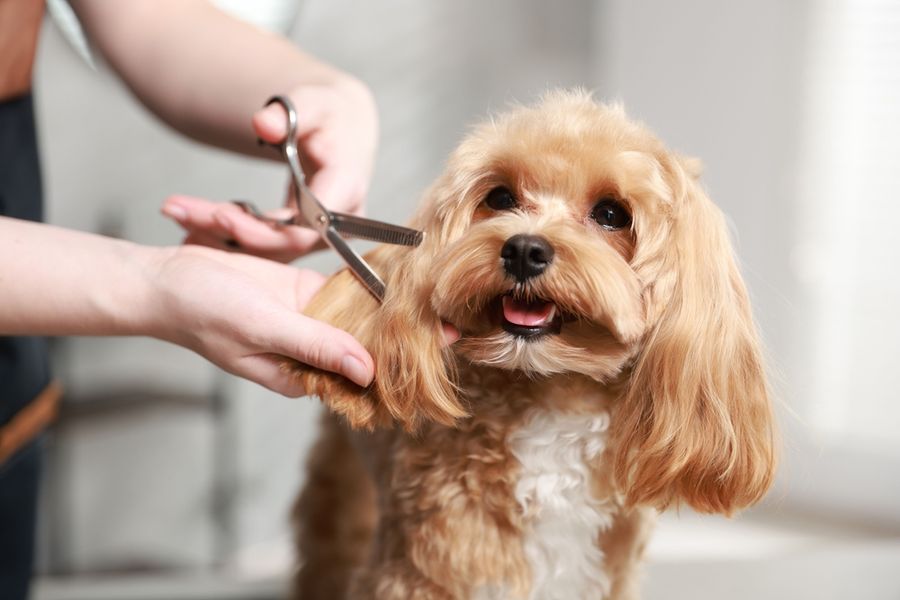
Grooming is an essential part of caring for dogs and cats, contributing to both physical health and overall comfort. While grooming routines vary depending on coat type, age, and individual needs, consistent care helps maintain skin health, reduce discomfort, and strengthen the bond between pets and their owners. Grooming also provides an opportunity to notice changes in appearance or behavior that may signal underlying concerns. When approached with patience and routine, grooming supports long-term well-being for both dogs and cats.
Why Regular Grooming Matters
Regular grooming supports more than a pet’s appearance. Brushing and cleaning help remove dirt, loose hair, and debris that can irritate the skin or cause matting. Grooming also distributes natural oils across the coat, supporting healthy skin and fur.
Routine grooming allows owners to observe their pets closely. Changes in coat texture, skin condition, or sensitivity may become noticeable during grooming sessions. Early awareness helps address potential issues before they progress. Grooming plays a preventive role in maintaining comfort and health.
Brushing and Coat Care
Brushing is one of the most important grooming practices for both dogs and cats. The frequency and type of brushing depend on coat length and texture. Regular brushing helps prevent tangles and matting while reducing shedding throughout the home.
Short-coated pets may require less frequent brushing, while long-coated pets benefit from more regular attention. Gentle brushing sessions also provide sensory comfort and relaxation. Consistent coat care supports skin health and helps pets feel clean and comfortable.
Bathing and Skin Health
Bathing helps remove buildup that brushing alone cannot address. Dogs typically benefit from occasional baths, while cats often require minimal bathing unless specific circumstances arise. Using pet-appropriate products helps protect sensitive skin and maintain natural moisture balance.
Overbathing can strip oils from the skin and cause dryness. Following appropriate bathing intervals supports skin health and comfort. Observing how pets respond to bathing helps owners adjust frequency and technique. Thoughtful bathing practices contribute to overall grooming success.
Nail Trimming and Paw Care
Nail care is an important but sometimes overlooked aspect of grooming. Overgrown nails can cause discomfort, affect movement, and lead to posture issues. Regular trimming helps maintain proper paw health and mobility.
Paw checks during grooming sessions allow owners to inspect pads for dryness, debris, or irritation. Gentle handling and gradual introduction to nail trimming help pets feel more comfortable. Consistent nail and paw care supports long-term comfort and movement.
Dental Care and Hygiene
Oral health plays a significant role in overall wellness. Plaque buildup and gum issues can affect appetite and comfort if left unaddressed. Regular dental care helps support healthy teeth and gums.
Dental routines may include brushing, dental treats, or veterinarian-recommended care products. Introducing dental care gradually helps pets adjust more easily. Maintaining oral hygiene supports comfort and contributes to long-term health for both dogs and cats.
Adapting Grooming to Individual Needs
Every pet has unique grooming needs influenced by age, coat type, health, and temperament. Puppies and kittens may require shorter, gentler sessions as they become accustomed to handling, while senior pets often benefit from slower pacing and added comfort. Pets with sensitive skin or medical conditions may need specialized products or modified techniques. Observing individual responses helps tailor grooming routines that feel supportive rather than stressful.
Some pets benefit from professional grooming support in addition to home care. Professional groomers can assist with coat maintenance, trimming, or handling needs that may be difficult to manage at home. Knowing when to seek assistance helps ensure grooming remains safe and effective. Adapting routines over time supports comfort, encourages cooperation, and helps pets remain relaxed during grooming sessions.
Supporting Lifelong Comfort Through Grooming
Grooming is an ongoing commitment that evolves throughout a pet’s life. As pets age or experience changes in health, grooming routines may need to be adjusted in frequency, duration, or technique. Being attentive to shifts in mobility, skin condition, or tolerance helps maintain comfort and dignity. Small changes in routine can make a meaningful difference in how pets experience grooming.
When grooming is approached with patience and consistency, it becomes a meaningful part of daily care rather than a chore. Regular grooming supports physical health by maintaining skin, coat, and hygiene, while also reinforcing emotional well-being. Calm, consistent care strengthens trust and deepens the bond between pets and their owners. Thoughtful grooming practices help dogs and cats feel comfortable, cared for, and supported at every stage of life.