

Water is an essential resource in every household, yet it is often used more generously than necessary. Small inefficiencies can quietly add up over time, increasing utility costs and placing extra strain on local water supplies. Conserving water does not require drastic lifestyle changes or sacrificing comfort. With mindful habits and practical adjustments, it is possible to reduce water use while maintaining a healthy, functional home and garden.
Understanding Where Water Is Used Most
Water use in the home is often concentrated in a few key areas, including bathrooms, kitchens, laundry rooms, and outdoor spaces. Showers, toilets, and faucets account for a significant portion of indoor water use, while irrigation and lawn care contribute heavily to outdoor consumption.
Outdoor water use tends to fluctuate with the seasons, increasing during warmer months. Indoors, daily routines play a larger role. Awareness of when and where water is used allows homeowners to make informed adjustments without feeling overwhelmed.
Improving Water Efficiency Indoors
Many water-saving opportunities begin inside the home. Simple upgrades such as fixing leaks, installing efficient fixtures, and maintaining appliances help reduce unnecessary water loss. Even minor drips can waste significant amounts of water over time if left unaddressed.
Everyday habits also influence indoor water use. Turning off the tap while performing routine tasks, running full loads of laundry, and choosing efficient wash cycles support conservation. Consistency matters more than perfection.
Smarter Water Use in the Bathroom
Bathrooms are among the highest water-use areas in most homes. Showers, sinks, and toilets contribute to daily consumption, making them ideal targets for water-saving improvements. Shortening shower time or adjusting water pressure can significantly reduce usage without sacrificing comfort.
Toilets and faucets also play an important role. Efficient fixtures and mindful flushing habits help limit unnecessary water use. Paying attention to bathroom routines encourages conservation while maintaining hygiene and convenience.
Water-Saving Habits in the Kitchen
The kitchen presents several opportunities for water conservation. Dishwashing, food preparation, and cleaning all involve regular water use. Running dishwashers only when full and using efficient settings helps reduce waste while maintaining cleanliness.
Food preparation habits also matter. Washing produce in a bowl rather than under running water conserves water and allows reuse when appropriate. Being mindful during cleanup and cooking routines supports efficiency.
Reducing Water Waste Outdoors
Outdoor water use can exceed indoor consumption, particularly during warmer months. Lawns, gardens, and landscaping often require regular watering, but inefficient practices may lead to unnecessary waste. Evaluating irrigation methods helps identify opportunities for improvement.
Watering early in the morning or later in the evening reduces evaporation and improves absorption. Avoiding overwatering and adjusting schedules based on weather conditions supports plant health while conserving water.
Choosing Water-Wise Landscaping
Landscaping choices have a significant impact on outdoor water use. Selecting plants suited to local climate conditions reduces the need for frequent watering. Native and drought-tolerant plants often thrive with less supplemental water once established.
Mulching garden beds helps retain soil moisture and reduce evaporation. Grouping plants with similar water needs simplifies irrigation routines. Water-wise landscaping supports healthy gardens while minimizing water demand, creating a balance between appearance and sustainability.
Maintaining Irrigation Systems
Efficient irrigation systems help distribute water evenly and reduce waste. Drip irrigation and soaker hoses deliver water directly to plant roots, minimizing runoff and evaporation. Regular inspection ensures systems function properly and efficiently.
Leaks, clogged emitters, or misaligned sprinklers can lead to water loss. Periodic maintenance helps prevent issues before they escalate. Keeping irrigation systems in good condition supports consistent watering and long-term conservation efforts.
Using Rain Barrels to Collect and Reuse Water
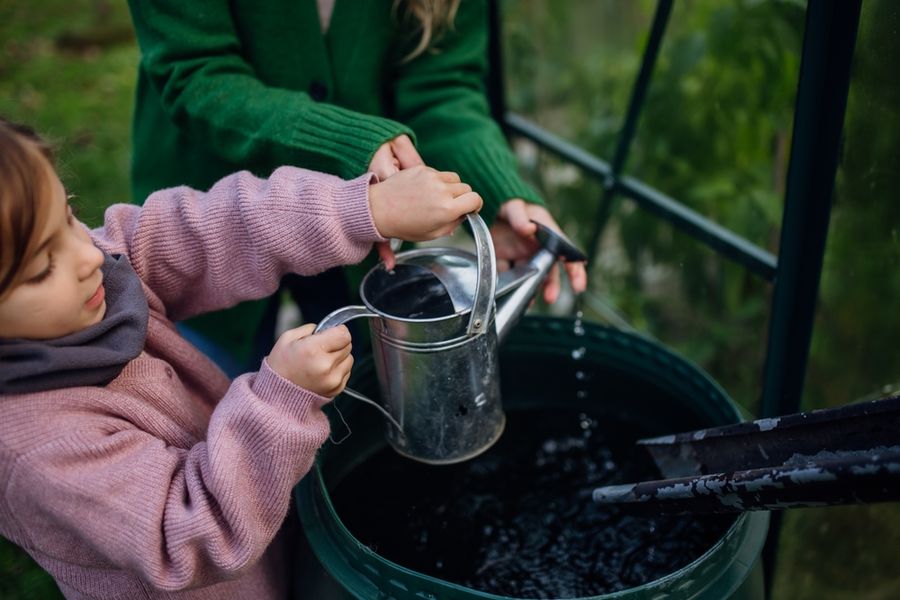
Rain barrels collect runoff from rooftops and store it for later use in gardens and landscaping. This captured water can be used to hydrate plants, reducing reliance on municipal water supplies. Rainwater doesn't have many additives found in treated water, making it well-suited for outdoor use.
Installing a rain barrel is a simple way to conserve water over time. Proper placement and maintenance help prevent overflow and ensure safe use. When used consistently, rain barrels support sustainable gardening practices while lowering overall water consumption.
Conserving Water Without Sacrificing Comfort
Water conservation does not require eliminating convenience or enjoyment. Small, intentional adjustments allow households to use water more efficiently without noticeable disruption. Over time, these changes support both environmental responsibility and household savings.
A balanced approach to water use encourages mindfulness and flexibility. By focusing on efficiency rather than limitation, water-saving habits become sustainable. Conserving water supports a healthier home, garden, and community for the long term.