

A healthy lawn adds more than visual appeal to a home. It supports outdoor enjoyment, contributes to environmental balance, and creates a welcoming space throughout the year. While lawn care can feel complex, strong results often come from understanding a few foundational principles rather than chasing quick fixes. With consistent attention to soil health, watering, mowing, and seasonal care, a lawn can remain resilient and vibrant across changing conditions.
Understanding Your Lawn and Soil
Successful lawn care begins with understanding the grass and soil beneath it. Different grass types thrive in different climates, sunlight levels, and temperatures. Knowing whether a lawn contains cool-season or warm-season grass helps guide watering, mowing height, and fertilization timing.
Soil quality also plays a critical role in lawn health. Healthy soil supports strong root systems, allowing grass to absorb water and nutrients efficiently. Compacted or nutrient-poor soil may limit growth and resilience. Paying attention to soil structure and condition creates a strong foundation for long-term lawn success.
Proper Watering for Strong Root Growth
Watering practices significantly influence lawn health. Shallow, frequent watering can encourage weak root systems, while deeper, less frequent watering supports stronger roots. Grass with deep roots is better equipped to withstand dry conditions and temperature changes.
Timing also matters. Watering earlier in the day allows moisture to reach the soil before evaporation increases. Overwatering can be just as harmful as underwatering, potentially leading to disease or shallow growth. Adjusting watering routines based on weather and seasonal conditions supports balanced lawn hydration.
Mowing Practices That Support Healthy Grass
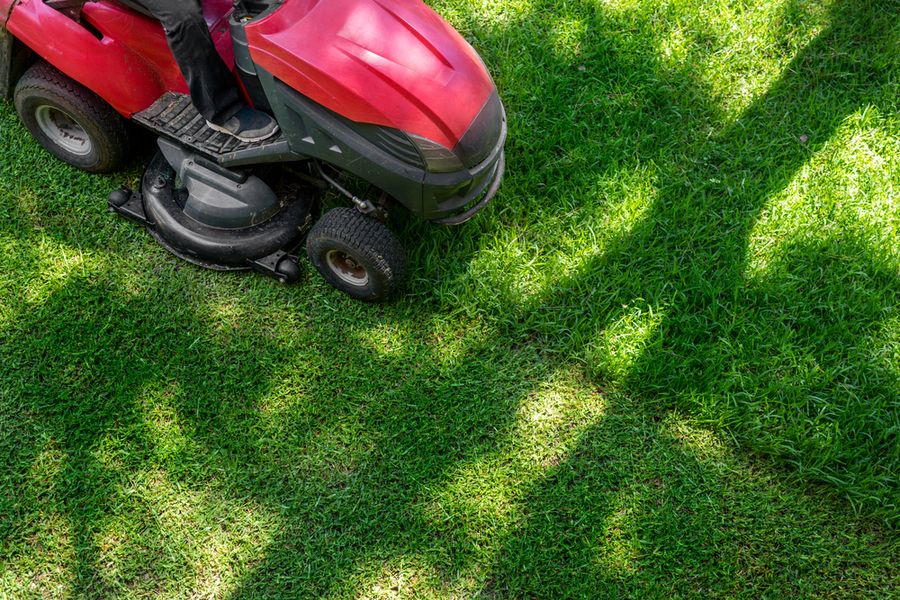
Mowing does more than keep a lawn tidy; it directly affects grass strength and appearance. Cutting grass too short can stress plants and expose soil to weeds and moisture loss. Maintaining the appropriate mowing height helps grass develop deeper roots and retain moisture.
Sharp mower blades are equally important. Dull blades tear grass rather than cutting it cleanly, which can increase vulnerability to disease. Leaving grass clippings on the lawn after mowing can also support soil health by returning nutrients naturally. Thoughtful mowing practices contribute to long-term lawn vitality.
Feeding Your Lawn the Right Way
Fertilization provides essential nutrients that support growth, color, and resilience. Nitrogen, phosphorus, and potassium play key roles in grass development, but balance is essential. Applying too much fertilizer may damage grass or contribute to runoff issues.
Timing fertilizer applications according to grass type and season supports healthier growth patterns. Slow-release fertilizers can provide steady nourishment over time, reducing stress on the lawn. Feeding grass appropriately helps maintain density and supports recovery from regular use and environmental stress.
Managing Weeds and Lawn Stress Naturally
Weeds often signal underlying lawn stress rather than simply being a surface issue. Thin grass, compacted soil, or inconsistent watering can create opportunities for weeds to establish. Addressing these conditions strengthens the lawn’s natural ability to compete.
Healthy lawns naturally resist many weed problems. Encouraging thick, vigorous grass growth reduces open space where weeds can take hold. Spot treatments and preventive care help manage weeds while maintaining balance. Reducing stress supports long-term lawn health more effectively than reactive solutions.
Seasonal Lawn Care Adjustments
Lawn care needs shift throughout the year as weather patterns, sunlight, and growth cycles change. Spring often focuses on recovery from colder months and encouraging new growth, while summer care emphasizes hydration and reducing heat-related stress. Fall provides an important opportunity to strengthen root systems and prepare grass for cooler temperatures and dormancy.
Adjusting mowing height, watering frequency, and feeding schedules based on seasonal conditions helps lawns adapt naturally. For example, slightly taller grass in warmer months can improve moisture retention, while fall maintenance supports long-term resilience. Paying attention to seasonal cues prevents unnecessary strain and promotes steady, healthy growth throughout the year.
Supporting Lawn Health Through Consistency
Consistency is one of the most important factors in successful lawn care. Regular mowing, appropriate watering, and timely seasonal adjustments help maintain balance within the lawn ecosystem. Inconsistent care or sudden changes in routine can disrupt growth patterns and increase vulnerability to stress and weeds.
A healthy lawn reflects steady habits rather than constant correction. Over time, consistent care strengthens grass and improves soil conditions, making lawns easier to maintain. By focusing on foundational practices and responding thoughtfully to seasonal needs, lawn care becomes a manageable and rewarding part of home maintenance.