

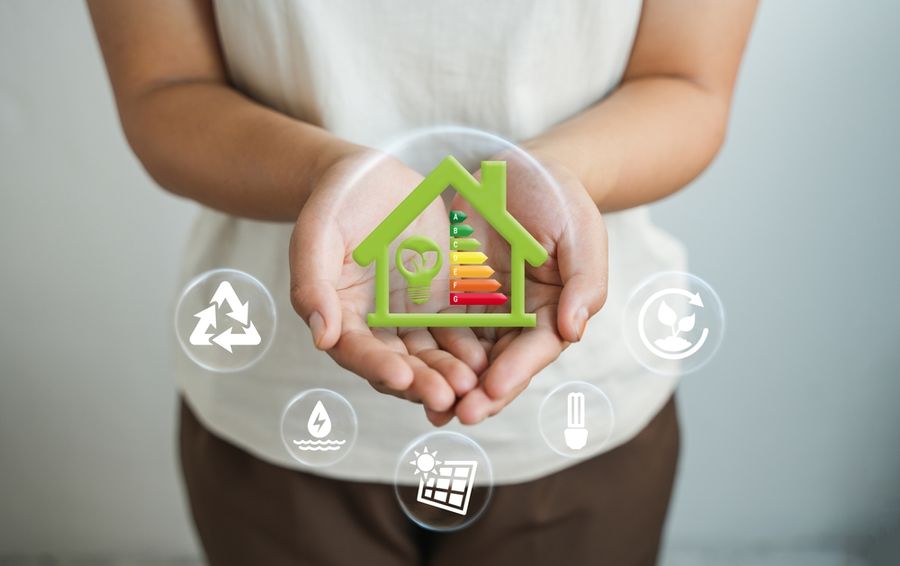
Improving energy efficiency at home benefits both household comfort and long-term costs. Small inefficiencies can quietly increase energy use, often without noticeable impact on daily routines. By understanding where energy is commonly lost and making thoughtful adjustments, homes can operate more efficiently without major renovations. Energy efficiency is not about drastic change, but about building habits and systems that support consistent, responsible energy use over time.
Understanding Where Homes Use the Most Energy
Energy use in the home is often concentrated in heating, cooling, appliances, and lighting. Heating and cooling systems typically account for a large portion of household energy consumption, especially in regions with seasonal temperature extremes. Appliances and electronics also contribute through daily use and standby power.
Identifying high-use areas helps prioritize efficiency efforts. Understanding how energy is consumed allows homeowners to focus on improvements that offer meaningful results. Awareness is the first step toward reducing unnecessary energy use without sacrificing comfort.
Improving Insulation and Sealing Air Leaks
Insulation plays a critical role in maintaining indoor temperature and reducing energy loss. Poor insulation allows heat to escape during colder months and enter during warmer seasons, forcing heating and cooling systems to work harder. Walls, attics, and floors all benefit from proper insulation.
Air leaks around windows, doors, and vents can also increase energy waste. Sealing gaps with weatherstripping or caulk helps maintain consistent indoor temperatures. Improving insulation and sealing air leaks supports efficiency while enhancing comfort throughout the year.
Using Heating and Cooling Systems More Efficiently
Heating and cooling systems operate most efficiently when properly maintained. Regular servicing, clean filters, and clear vents support consistent airflow and performance. Neglected systems often consume more energy while delivering less comfort.
Thermostat settings also influence energy use. Adjusting temperatures slightly based on seasonal needs can lead to noticeable savings. Programmable or smart thermostats help regulate temperature automatically, supporting efficiency without constant manual adjustment.
Choosing Energy-Efficient Lighting
Lighting is a simple area where energy efficiency improvements can have an immediate impact. Traditional bulbs consume more energy and require frequent replacement. Energy-efficient lighting options use less electricity while providing comparable brightness.
Turning off lights when rooms are unoccupied and using natural light during the day further reduces energy use. Thoughtful lighting choices support efficiency without changing how spaces are used or enjoyed.
Managing Appliance and Electronics Use
Household appliances and electronics contribute significantly to energy consumption. Refrigerators, washers, dryers, and dishwashers operate regularly and benefit from efficient use. Running appliances with full loads and using energy-saving settings helps reduce overall energy demand.
Electronics can also draw power when not actively in use. Unplugging devices or using power strips helps limit standby energy use. Managing appliance and electronics habits supports efficiency without sacrificing convenience.
Improving Water Heating Efficiency
Water heating is another major source of household energy use. Long showers, high water temperatures, and inefficient systems can increase energy demand. Adjusting water heater settings helps balance comfort and efficiency.
Using energy-efficient fixtures such as low-flow showerheads supports water and energy conservation. Insulating water heater tanks and hot water pipes also reduces heat loss. These small changes help reduce energy use associated with water heating.
Taking Advantage of Natural Heating and Cooling
Homes can benefit from natural temperature regulation with simple adjustments. Opening curtains during cooler months allows sunlight to warm living spaces naturally. In warmer seasons, closing blinds during peak heat helps reduce indoor temperatures.
Strategic use of ceiling fans supports air circulation, making rooms feel more comfortable without increasing energy use. Natural heating and cooling techniques reduce reliance on mechanical systems and support balanced indoor environments.
Maintaining Home Systems for Long-Term Efficiency
Regular maintenance supports energy efficiency across home systems. Cleaning filters, inspecting seals, and addressing minor issues prevents larger inefficiencies from developing. Well-maintained systems operate more reliably and consume less energy.
Seasonal checkups encourage proactive care. Addressing small issues early reduces energy waste and extends equipment lifespan. Maintenance routines support efficiency while protecting household investments.
Building Energy-Efficient Habits
Energy efficiency is reinforced through daily habits. Simple actions such as turning off unused electronics, adjusting thermostats thoughtfully, and using appliances efficiently create cumulative benefits over time. Habit-based changes are often the most sustainable.
Involving all household members encourages consistency. When energy awareness becomes part of daily routines, efficiency feels natural rather than restrictive. Long-term habits support meaningful energy savings without disrupting comfort.
Supporting Comfort and Savings Through Efficiency
Energy efficiency enhances both comfort and cost control within the home. Thoughtful improvements reduce energy waste while maintaining consistent indoor environments. Over time, these changes contribute to lower utility expenses and a smaller environmental footprint.
A balanced approach to energy use supports long-term sustainability. By focusing on manageable improvements and steady habits, homes become more efficient and resilient. Energy efficiency is not about limitation, but about using resources wisely to support everyday living.