

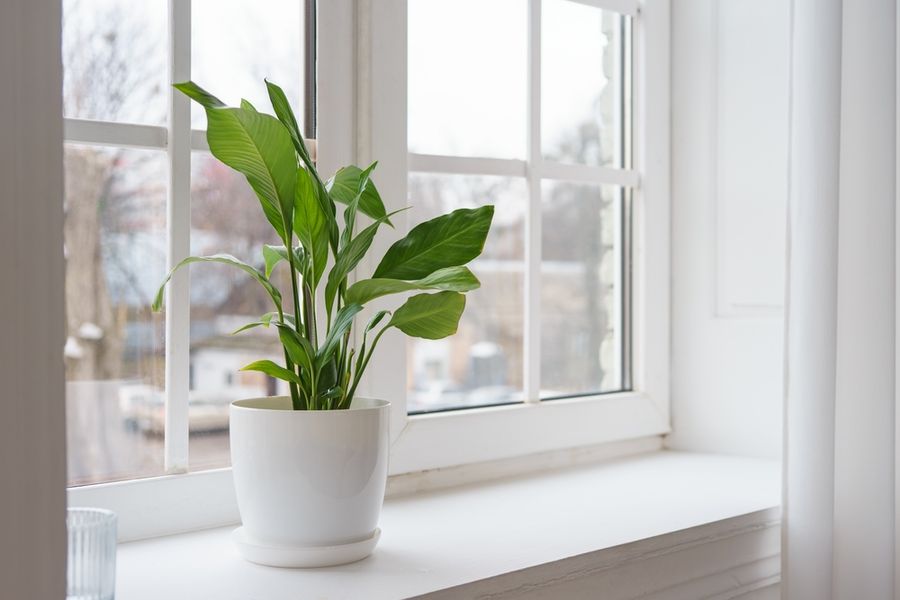
Indoor plants can enhance living spaces by adding color, texture, and a sense of calm. For many people, the idea of caring for plants feels intimidating, especially when past attempts have not gone as planned. Fortunately, many indoor plants thrive with minimal care and adapt well to a variety of environments. Choosing easy-to-care-for plants allows anyone to enjoy the benefits of greenery without added stress or complicated routines.
Why Indoor Plants Support a Healthier Home
Indoor plants contribute to a more comfortable and inviting home environment. They add natural elements that soften interior spaces and create visual balance. Many people find that the presence of plants helps make rooms feel more welcoming and lived-in.
Plants also influence indoor environments in subtle ways. Some species may support air quality by contributing to oxygen exchange, while others help regulate humidity levels. The presence of greenery can enhance overall comfort and create a calming atmosphere throughout the home.
Understanding Light and Indoor Plant Needs
Light is one of the most important factors in indoor plant care. Different plants have varying light requirements, ranging from bright indirect light to low-light conditions. Understanding how sunlight moves through a home helps match plants to appropriate locations.
Placing plants in suitable light conditions supports healthy growth and reduces stress. Low-light plants often adapt well to shaded corners or rooms with limited windows, while brighter spaces can support more light-loving varieties. Matching light conditions to plant needs helps simplify care.
Low-Maintenance Plants for Beginners
Certain plants are known for their resilience and adaptability, making them ideal for beginners. These plants often tolerate irregular watering and fluctuating light conditions. Popular options include snake plants, pothos, and peace lilies, which are known for their durability.
Choosing low-maintenance plants allows new plant owners to build confidence. These varieties often show visible signs when they need attention, making care more intuitive. Starting with easy plants helps create a positive experience and encourages long-term enjoyment.
Watering Indoor Plants the Right Way
Watering is a common challenge in indoor plant care. Overwatering is a frequent cause of plant stress, leading to root rot and poor growth. Understanding each plant’s water needs helps establish healthy routines.
Allowing soil to dry slightly between waterings supports root health. Drainage is also important, as excess water should be able to escape. Paying attention to soil moisture rather than following strict schedules encourages balanced hydration and stronger plants.
The Role of Indoor Plants in Reducing Stress
Indoor plants offer benefits beyond aesthetics. Many people find that caring for plants provides a sense of routine and relaxation. Observing growth and tending to plants encourages mindfulness and reduces mental fatigue.
Greenery has been associated with improved mood and reduced stress levels. The presence of plants can create a calming environment that supports emotional well-being. Incorporating plants into living spaces offers subtle, ongoing benefits for daily life.
Choosing the Right Containers and Placement
The choice of containers affects both plant health and home décor. Pots with drainage holes help prevent water buildup, while appropriately sized containers allow roots to grow comfortably. Selecting containers that complement the home’s style enhances visual appeal.
Placement also matters. Keeping plants away from drafts, heating vents, or extreme temperature changes supports healthy growth. Thoughtful placement ensures plants thrive while contributing to the overall design and functionality of living spaces.
Caring for Plants Over Time
Indoor plant care evolves as plants grow and adapt to their environment. Occasional pruning, repotting, and gently cleaning leaves help support long-term health and steady growth. Monitoring changes in size, color, and leaf condition helps identify when adjustments to light, water, or container size are needed.
Consistency remains key to successful care. Regular observation allows potential issues to be addressed early before they affect overall plant health. Over time, plant care becomes more intuitive, and plants transition from temporary décor into lasting, well-integrated elements of the home.
Creating a Greener Living Space
Incorporating indoor plants transforms living spaces into more vibrant and balanced environments. Easy-to-care-for plants make greenery accessible to a wide range of households, regardless of experience level. With thoughtful selection and simple care habits, indoor plants thrive and enhance everyday living.
A greener home supports comfort, relaxation, and visual interest. As plants grow and adapt to their surroundings, they become meaningful parts of the living environment. Indoor plants offer lasting benefits that extend beyond decoration, contributing to a more inviting and harmonious home.