

A cluttered home can quietly affect daily routines, productivity, and overall comfort. When belongings accumulate without intention, spaces may feel cramped or difficult to use, even in larger homes. Decluttering is not about removing everything or creating a perfect aesthetic, but about shaping living spaces that support everyday life. With thoughtful organization and steady habits, a home can feel more functional, inviting, and easier to maintain over time.
Understanding the Impact of Clutter on Daily Life
Clutter affects more than just physical space. Excess belongings can make rooms harder to navigate and tasks more time-consuming. Searching for misplaced items, working around crowded surfaces, or managing overflowing storage can add unnecessary stress to daily routines.
Mental clarity is often influenced by the surrounding environment. Busy, cluttered spaces may contribute to distraction or a sense of overwhelm. Creating order supports focus and allows rooms to serve their intended purpose more effectively. Recognizing the impact of clutter helps motivate meaningful and lasting change.
Setting Realistic Decluttering Goals
Effective decluttering begins with clear and realistic goals. Attempting to organize an entire home at once can feel overwhelming and lead to unfinished projects. Breaking decluttering into smaller, manageable areas helps maintain momentum and reduces frustration.
Goals should focus on function rather than perfection. Identifying how a space is used guides decisions about what truly belongs there. When goals align with daily habits, decluttering efforts are more sustainable and easier to maintain over time.
Sorting Belongings with Purpose
Sorting is a central part of decluttering. Grouping items by category rather than location can reveal duplicates or unused belongings. This process helps clarify what adds value and what no longer serves a purpose in daily life.
Decision-making becomes easier when guided by use and necessity. Items that are regularly used, meaningful, or functional earn their place. Letting go of unused belongings creates space for what matters most. Purposeful sorting supports organization without unnecessary complexity.
Creating Functional Storage Solutions
Storage plays a key role in maintaining a clutter-free home. Functional storage supports accessibility while keeping items contained and organized. Storage solutions should align with how items are used, placing frequently used belongings within easy reach.
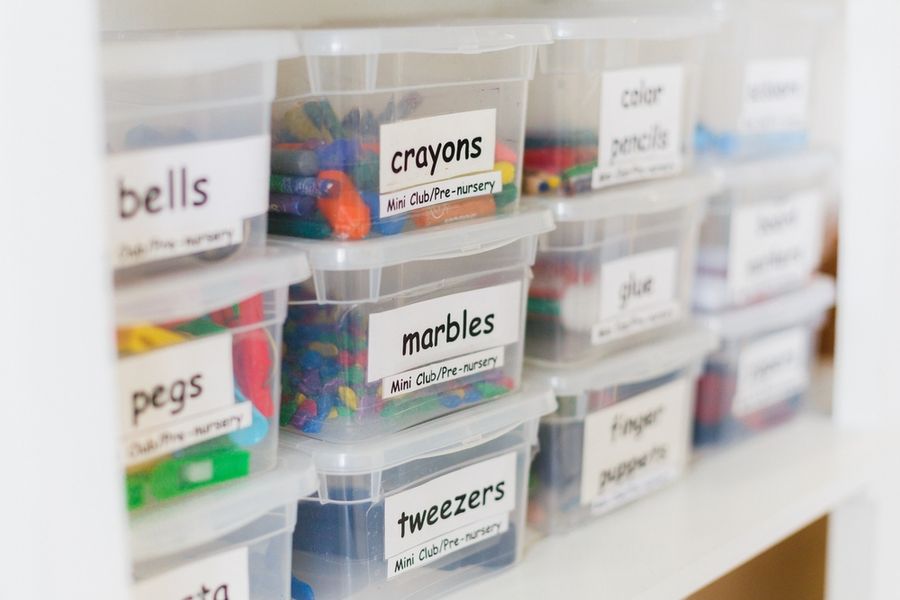
Clear containers, labeled bins, and designated storage zones help prevent clutter from returning. Storage works best when it simplifies routines rather than adding steps. Thoughtful placement encourages consistency and supports long-term organization across living spaces.
Decluttering Room by Room
Approaching decluttering room by room helps maintain focus and provides visible progress. High-traffic areas such as kitchens, living rooms, and entryways often benefit first from decluttering, as they directly affect daily routines.
Each room serves a different purpose, and decluttering should reflect that function. Bedrooms benefit from calming, open layouts, while workspaces require organization that supports productivity. Tailoring decluttering strategies to each space enhances usability and comfort.
Letting Go Without Guilt
Emotional attachment can make decluttering challenging, especially when items carry memories or represent past intentions. Gifts, heirlooms, or belongings tied to certain life stages may feel difficult to release, even when they are no longer useful. Acknowledging these emotional connections allows for thoughtful decision-making rather than avoidance or frustration.
Letting go does not erase memories or diminish experiences. Releasing unused belongings creates space for present needs and future moments, both physically and emotionally. Approaching decluttering with compassion supports emotional well-being while helping create a home environment that feels open, intentional, and functional.
Maintaining a Decluttered Home
Decluttering is most effective when paired with simple, sustainable maintenance habits. Without ongoing routines, clutter can gradually return as items accumulate through daily life. Regular check-ins, designated storage zones, and thoughtful purchasing decisions help prevent disorganization from building up again.
Maintenance does not require constant effort or perfection. Small, regular actions such as tidying high-use areas or reassessing storage seasonally support long-term balance. When organization becomes part of daily routines, maintaining a clutter-free home feels manageable and natural rather than demanding or overwhelming.
Creating Space That Supports Everyday Living
A functional home supports comfort, efficiency, and ease. Decluttering allows living spaces to adapt to daily routines rather than work against them. Clear surfaces and organized storage create room for movement, creativity, and rest.
Over time, decluttering encourages intentional living. When belongings align with lifestyle needs, the home becomes easier to navigate and maintain. A thoughtfully organized space supports not only physical function but also a sense of calm and balance throughout daily life.