

Bathroom renovation offers a transformative opportunity to enhance both the functionality and aesthetics of a home. From budget-friendly updates to luxurious overhauls, knowing the range of options and strategies is crucial. Understand the cost implications, types of remodels, and practical tips to ensure a successful renovation that aligns with personal needs and budget constraints.
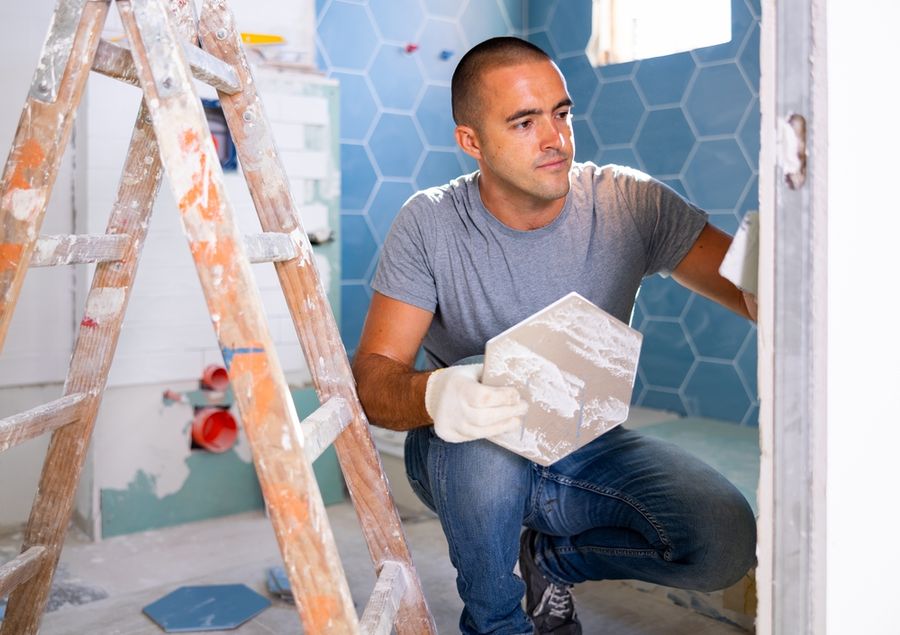
Understanding Bathroom Renovation Options
Bathroom renovation is a significant undertaking that can dramatically enhance the functionality and aesthetics of a home. When considering a bathroom remodel, it's essential to understand the various options available and how they align with personal needs and budget constraints.
Homeowners can choose between standard and luxury remodels, each offering distinct benefits and cost implications. Standard remodels typically focus on updating fixtures and finishes without major structural changes, making them more budget-friendly. In contrast, luxury remodels often involve expanded layouts, custom features, and high-end materials, which can significantly increase costs (source).
Cost-Effective Renovation Strategies
For those looking to renovate on a budget, there are several strategies to consider. Opting for cost-effective materials that mimic the appearance of more expensive options can significantly reduce expenses. For example, luxury vinyl flooring can replicate the look of real wood, while high-definition laminate or quartz can serve as alternatives to natural stone countertops. Additionally, faux-stone ceramic and porcelain tiles can imitate travertine and marble, offering a stylish yet affordable solution (source).
DIY updates can also enhance a bathroom's appearance without a hefty price tag. Simple projects like painting the bathroom floor, refreshing cabinet hardware, or repainting the vanity are often DIY-friendly, allowing homeowners to save on labor costs. Moreover, leveraging existing infrastructure, such as pre-existing plumbing, can minimize the need for extensive plumbing work, reducing both time and expenses (source).
Types of Bathroom Remodels
There are several types of bathroom remodels, each varying in scope, cost, and impact on functionality and aesthetics. Cosmetic or surface-level remodels involve superficial changes like updating fixtures, replacing tiles, and painting, without altering the bathroom's layout or structure. Fixture upgrades focus on replacing outdated or worn fixtures such as faucets, showerheads, sinks, toilets, or lighting fixtures, significantly enhancing the bathroom's look and efficiency without changing the layout (source).
Layout alterations involve reconfiguring the bathroom's layout by moving fixtures, walls, or plumbing to improve functionality and space utilization. Partial remodels target specific areas of the bathroom, such as the shower enclosure, bathtub, or vanity area, allowing for focused improvements without overhauling the entire space. Full gut renovations offer the most flexibility in design and functionality, stripping the bathroom down to its bare walls and floor and replacing everything from plumbing and electrical systems to fixtures, flooring, walls, and ceilings (source).
Choosing the Right Renovation Option
When deciding on the right type of bathroom renovation, homeowners should consider factors such as cost, time, and space constraints. A full bathroom remodel involves replacing multiple elements like floor tiles, bathtubs, and ceiling lights, which can be costly and time-consuming.
In contrast, a tub-to-shower conversion is a more affordable and quicker option, often completed in as little as one day. This option is particularly beneficial for smaller bathrooms, as replacing a bathtub with a shower can create a more spacious and bright appearance (source).
Accessibility is another key consideration, especially for those with limited mobility. A tub-to-shower conversion can provide easier access with options for walk-in showers, grab bars, and built-in seating, enhancing safety and convenience. Additionally, maintenance can be simplified with the use of nonporous materials that reduce the need for frequent cleaning and prevent mold and mildew growth (source).
Why You Should Learn More About Bathroom Renovation
Understanding the various options and strategies for bathroom renovation can help homeowners make informed decisions that align with their needs and budget.
Whether opting for a modest update or a high-end transformation, knowing the cost factors, types of remodels, and cost-effective strategies can ensure a successful renovation that enhances both the functionality and aesthetics of the home. By exploring these options, homeowners can achieve lasting value and satisfaction from their bathroom renovation projects.