

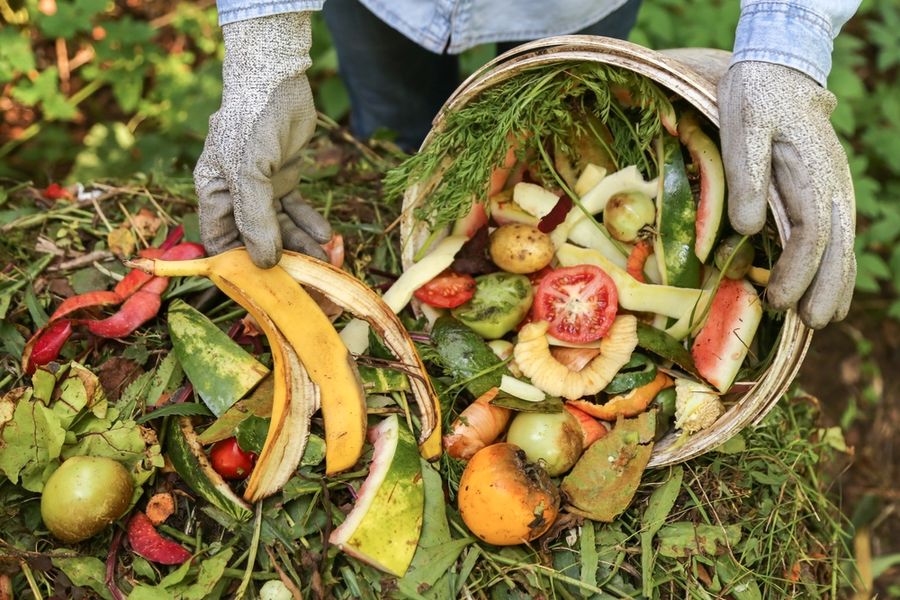
Composting is a simple, natural process that turns everyday organic waste into nutrient-rich material for gardens and soil. While it may sound complicated at first, composting relies on basic principles that work with nature rather than against it. Food scraps and yard waste that might otherwise end up in landfills can be transformed into a valuable resource. With a clear understanding of the process and a few practical habits, composting becomes an accessible and rewarding addition to home and garden care.
What Composting Is and Why It Matters
Composting is the breakdown of organic materials through natural decomposition. Microorganisms, insects, and environmental conditions work together to transform waste into compost, a dark, crumbly material that enriches soil. This process mimics what happens naturally on forest floors, where fallen leaves and plant matter return nutrients to the earth.
Reducing organic waste through composting offers environmental benefits. Food scraps and yard debris make up a significant portion of household waste. Composting helps divert this material from landfills, where it would otherwise contribute to methane emissions. Supporting composting practices benefits soil health while reducing overall waste.
Understanding What Can Be Composted
Successful composting depends on knowing which materials belong in a compost pile. Compostable items generally fall into two categories: nitrogen-rich materials and carbon-rich materials. Kitchen scraps such as fruit peels and vegetable trimmings provide nitrogen, while dry leaves and cardboard supply carbon.
Avoiding non-compostable materials is just as important. Meat, dairy, oils, and processed foods can attract pests and disrupt the balance of a compost pile. Sticking to plant-based waste and natural yard materials supports a cleaner, more efficient composting process that breaks down evenly over time.
Choosing the Right Composting Method
There are several composting methods suitable for home use, each offering different benefits. Traditional backyard composting uses an open pile or enclosed bin and works well for homes with outdoor space. This method allows natural airflow and accommodates yard waste in larger quantities.
For smaller spaces, alternatives such as compost tumblers or indoor compost systems may be more practical. Tumblers simplify turning and speed up decomposition, while indoor systems allow composting year-round. Choosing a method that fits available space and lifestyle encourages consistency and long-term success.
Building a Balanced Compost Pile
A healthy compost pile relies on balance. Combining nitrogen-rich “green” materials with carbon-rich “brown” materials helps microorganisms break down waste efficiently. Too much of one type may slow decomposition or create odor issues.
Layering materials supports airflow and moisture control. Adding dry materials after wet scraps helps absorb excess moisture, while occasional mixing encourages even breakdown. Paying attention to balance helps compost mature into usable material without constant intervention.
Managing Moisture and Airflow
Moisture and airflow play key roles in composting. A compost pile should remain damp but not soaked. Excess moisture can lead to unpleasant odors, while dryness slows decomposition.
Turning or mixing compost introduces oxygen, which supports beneficial microorganisms. Adequate airflow prevents compaction and encourages steady breakdown. Simple maintenance routines such as occasional turning and moisture checks help keep compost active and healthy.
Common Composting Challenges and Solutions
New composters may encounter challenges such as slow decomposition, odors, or pests. These issues often result from imbalances in moisture, airflow, or material selection. Addressing the cause rather than the symptom leads to lasting solutions.
Adding dry materials can correct excess moisture, while turning the pile improves airflow. Keeping compost covered and avoiding food scraps that attract pests helps maintain balance. Understanding common challenges makes composting less intimidating and more manageable.
Using Finished Compost in the Garden
Finished compost is ready when it appears dark, crumbly, and earthy in smell. This material improves soil structure, enhances moisture retention, and provides nutrients that support plant growth. Compost can be mixed into garden beds, added to planting holes, or used as a top layer around plants.
Using compost regularly supports long-term soil health. It reduces the need for synthetic fertilizers and helps soil retain nutrients more effectively. Incorporating compost into gardening routines strengthens plant resilience and encourages sustainable growing practices.
Turning Waste Into a Valuable Resource
Composting transforms waste into something useful, closing the loop between consumption and renewal. By returning organic material to the soil, composting supports healthier gardens and reduces reliance on external inputs.
Starting small allows composting to feel approachable and sustainable. With patience and practice, composting becomes an effective way to support both the home environment and the broader ecosystem. Composting is not just about waste reduction—it is about nurturing the cycle of growth and renewal.