

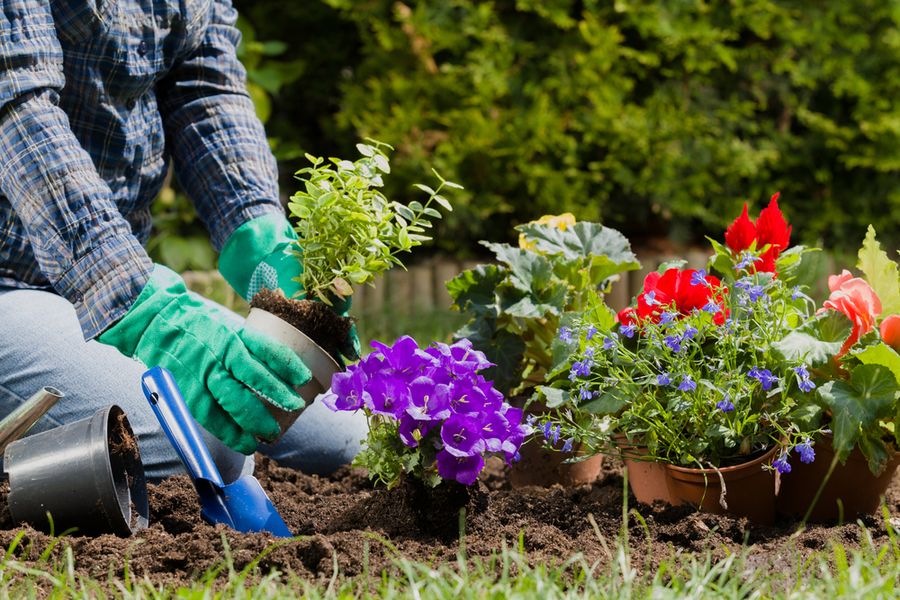
Starting a home garden can feel both exciting and overwhelming, especially for beginners. With so many plant options, tools, and techniques available, it’s easy to overthink the process. Gardening does not require perfection or extensive experience. A successful home garden grows from understanding basic principles, choosing appropriate plants, and building habits that support steady growth. With thoughtful planning and patience, gardening can become a rewarding and sustainable part of everyday life.
Choosing the Right Location for Your Garden
The location of a home garden plays a major role in plant health and growth. Most plants benefit from consistent sunlight, making light exposure an important factor to consider. Observing how sunlight moves across outdoor spaces helps identify areas that receive adequate light throughout the day.
Accessibility also matters. A garden placed too far from daily routines may be harder to maintain. Choosing a location that is easy to reach encourages regular care such as watering and monitoring plant health. A well-chosen location supports consistency and helps new gardeners stay engaged.
Understanding Soil and Its Importance
Healthy soil provides the foundation for successful gardening. Soil supports root development, supplies nutrients, and helps regulate moisture. Poor soil quality can limit growth even when plants receive adequate sunlight and water.
Understanding soil texture and drainage helps guide plant selection and care. Loamy soil with balanced moisture retention is ideal for many plants. Amending soil with organic matter such as compost improves structure and fertility. Healthy soil encourages stronger plants and reduces the need for constant intervention.
Selecting Beginner-Friendly Plants
Choosing the right plants can make the difference between frustration and success. Beginner-friendly plants tend to be resilient and adaptable, requiring less maintenance. Herbs, leafy greens, and certain flowers often grow well with basic care.
Plant selection should align with local climate conditions and seasonal timing. Starting with a small variety allows new gardeners to learn gradually without feeling overwhelmed. Success with easier plants builds confidence and creates a foundation for expanding the garden over time.
Planning Garden Layout and Spacing
Thoughtful garden layout supports healthy growth and simplifies maintenance. Plants need adequate space for roots, airflow, and sunlight. Crowded plants may compete for resources, increasing stress and susceptibility to disease.
Grouping plants with similar water and sunlight needs simplifies care routines. Raised beds, container gardens, or traditional ground plots each offer different benefits. Planning layout in advance helps maximize space while supporting plant health and accessibility.
Watering Practices for New Gardeners
Watering is one of the most important aspects of garden care. Both overwatering and underwatering can harm plants. Understanding each plant’s moisture needs helps establish effective routines.
Watering deeply but less frequently encourages strong root systems. Morning watering often allows moisture to reach roots before evaporation increases. Paying attention to soil moisture rather than relying on a fixed schedule supports balanced hydration and healthier growth.
Managing Weeds and Garden Maintenance
Weeds compete with garden plants for nutrients, water, and sunlight. Early management prevents weeds from becoming established. Mulching is an effective way to reduce weed growth while supporting soil moisture retention.
Regular observation helps identify issues early. Checking plants for signs of stress, pests, or disease allows timely adjustments. Simple maintenance routines support steady growth and reduce the need for reactive solutions later in the season.
Learning Through Seasonal Gardening
Gardening changes with the seasons, offering ongoing learning opportunities. Spring often focuses on planting and early growth, while summer emphasizes maintenance and harvesting. Fall may involve preparing soil and protecting plants as temperatures shift.
Seasonal awareness helps gardeners adjust expectations and routines. Observing how plants respond to weather changes builds understanding over time. Gardening becomes more intuitive as experience grows through seasonal cycles.
Building Confidence Through Consistent Care
Gardening success develops through patience and consistency. Small daily actions such as watering, observing growth, and adjusting care habits make a meaningful difference. Setbacks are a natural part of the learning process.
Each growing season provides valuable experience. Over time, confidence builds as gardeners become familiar with their space and plants. Consistent care encourages steady improvement and transforms gardening into a rewarding, long-term practice.
Growing More Than Plants
A home garden offers more than fresh produce or flowers. Gardening supports connection to nature, encourages mindfulness, and provides a sense of accomplishment. Watching plants grow fosters appreciation for gradual progress and seasonal rhythms.
For beginners, starting small and staying curious makes gardening accessible and enjoyable. With thoughtful planning and steady care, a home garden becomes a space for growth, learning, and satisfaction that extends well beyond the harvest.