

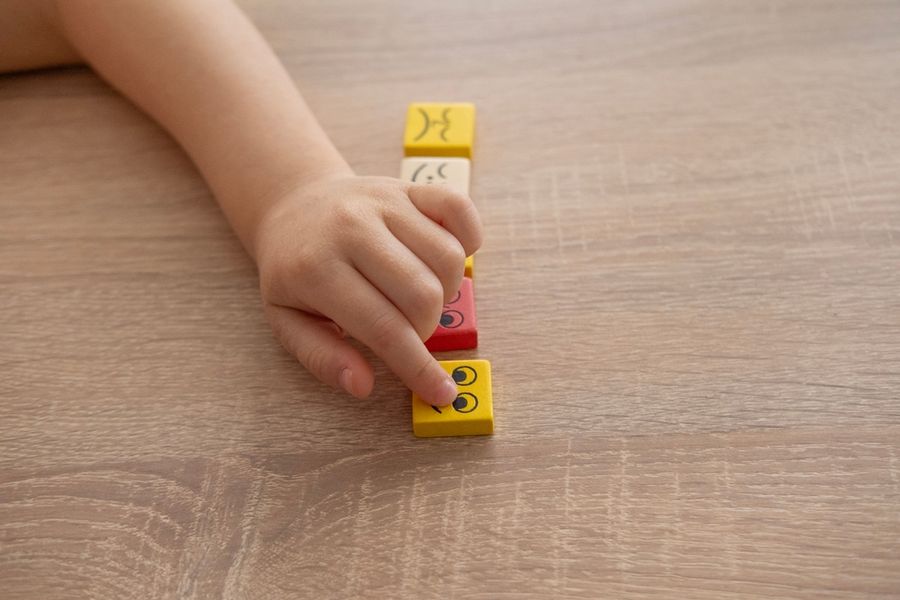
Emotional intelligence plays a powerful role in how children understand themselves, interact with others, and navigate challenges throughout life. It influences communication, relationships, decision-making, and resilience. While some emotional skills develop naturally over time, emotional intelligence is largely shaped through guidance, experience, and supportive environments. By intentionally nurturing emotional awareness and regulation, families can help children build skills that support lifelong well-being and healthy relationships.
What Emotional Intelligence Means for Children
Emotional intelligence refers to the ability to recognize, understand, and manage emotions in oneself and others. For children, this includes identifying feelings, expressing emotions appropriately, and responding to social situations with empathy and awareness. These skills help children navigate friendships, family dynamics, and everyday challenges with greater confidence.
Developing emotional intelligence does not mean avoiding negative emotions. Children experience frustration, disappointment, and anger as part of normal development. Emotional intelligence helps children understand that emotions are valid while learning how to respond constructively. When children feel supported in recognizing their emotions, they gain a stronger sense of self-awareness and emotional balance.
Teaching Children to Recognize and Name Emotions
Recognizing emotions is the foundation of emotional intelligence. Children often experience strong feelings before they have the language to describe them, which can lead to confusion or behavioral outbursts. Helping children name emotions gives them tools to understand what they are feeling rather than acting on impulse.
Everyday moments provide opportunities to build emotional vocabulary. Talking about feelings during stories, conversations, or real-life situations helps children connect words to experiences. When emotions are acknowledged without judgment, children learn that feelings are manageable and temporary. This awareness supports emotional regulation and healthier communication over time.
Supporting Emotional Expression in Healthy Ways
Emotional intelligence involves learning how to express feelings appropriately rather than suppressing them. Children benefit from understanding that emotions can be shared safely and respectfully. Creating an environment where feelings are welcomed encourages openness and trust.
Guidance is essential when emotions feel overwhelming. Helping children express frustration through words, movement, or creative outlets supports emotional release without harm. When adults respond calmly and empathetically, children learn constructive ways to communicate emotions. This support strengthens emotional confidence and reduces the likelihood of unhealthy coping patterns.
Modeling Emotional Intelligence as a Family
Children learn emotional intelligence largely through observation. Family interactions provide daily examples of how emotions are handled, communicated, and resolved. When adults model self-awareness, calm responses, and empathy, children absorb these behaviors naturally.
Modeling includes acknowledging personal emotions and demonstrating coping strategies. Saying things like expressing frustration calmly or taking a pause during conflict shows children that emotions can be managed thoughtfully. When families demonstrate emotional intelligence consistently, it becomes part of everyday life rather than a separate lesson.
Encouraging Empathy and Perspective-Taking
Empathy is a key component of emotional intelligence and helps children understand how others may feel in different situations. Learning to consider another person’s perspective supports kindness, cooperation, and stronger relationships. Empathy develops gradually through guided experiences and conversation.
Discussing emotions in social situations helps children connect actions to feelings. Asking reflective questions encourages awareness without pressure. Over time, empathy supports problem-solving and conflict resolution, helping children navigate relationships with sensitivity and respect.
Helping Children Regulate Emotions During Challenges
Emotional regulation is the ability to manage emotions in a balanced and constructive way, especially during moments of stress, frustration, or disappointment. Children are still developing this skill, and strong emotions can feel overwhelming without guidance. Supportive responses from caregivers help children understand that emotions are temporary and manageable rather than something to fear or suppress.
Strategies such as pausing, slow breathing, or taking space allow children time to calm their nervous system before responding. Reassurance, patience, and consistent support reinforce emotional safety and trust. When children experience guidance instead of punishment during emotional moments, they learn healthy coping skills, build resilience, and gain confidence in their ability to navigate challenges independently over time.
Nurturing Emotional Awareness for Life
Helping children develop emotional intelligence is an investment in their future relationships and self-understanding. Emotional awareness, empathy, and regulation support resilience and healthy communication. These skills empower children to navigate challenges with confidence and compassion.
By creating a supportive environment and modeling emotional intelligence daily, families lay the groundwork for lifelong emotional well-being. Emotional intelligence is not about perfection, but about understanding, growth, and connection—skills that serve children long after childhood ends.